
Why Is My AC Blowing Warm Air?
Summer, and the living is easy — or so it should be! The TV news reports what one hopes is 'fake news'... but the facts they report are detailed: a heat wave with extremely high temperatures for two or more days is expected. A heat wave occurs when a high-pressure system 'stalls' over a region in the upper atmosphere, trapping hot air near the ground and forcing it to compress. The only thing worse than hearing of an impending heat wave would be to walk over to the AC unit in the window or the vent that blows cool air into the home in a central AC system and find it blowing warm air!
Where Is The Cool Air?
The scientific answer to: ‘why a heat wave?’ and ‘why is the AC blowing warm air?’ is the same. High pressure! Recognizing how high-pressure conditions during a heat wave affect your AC can help homeowners feel more in control and less overwhelmed by system struggles.
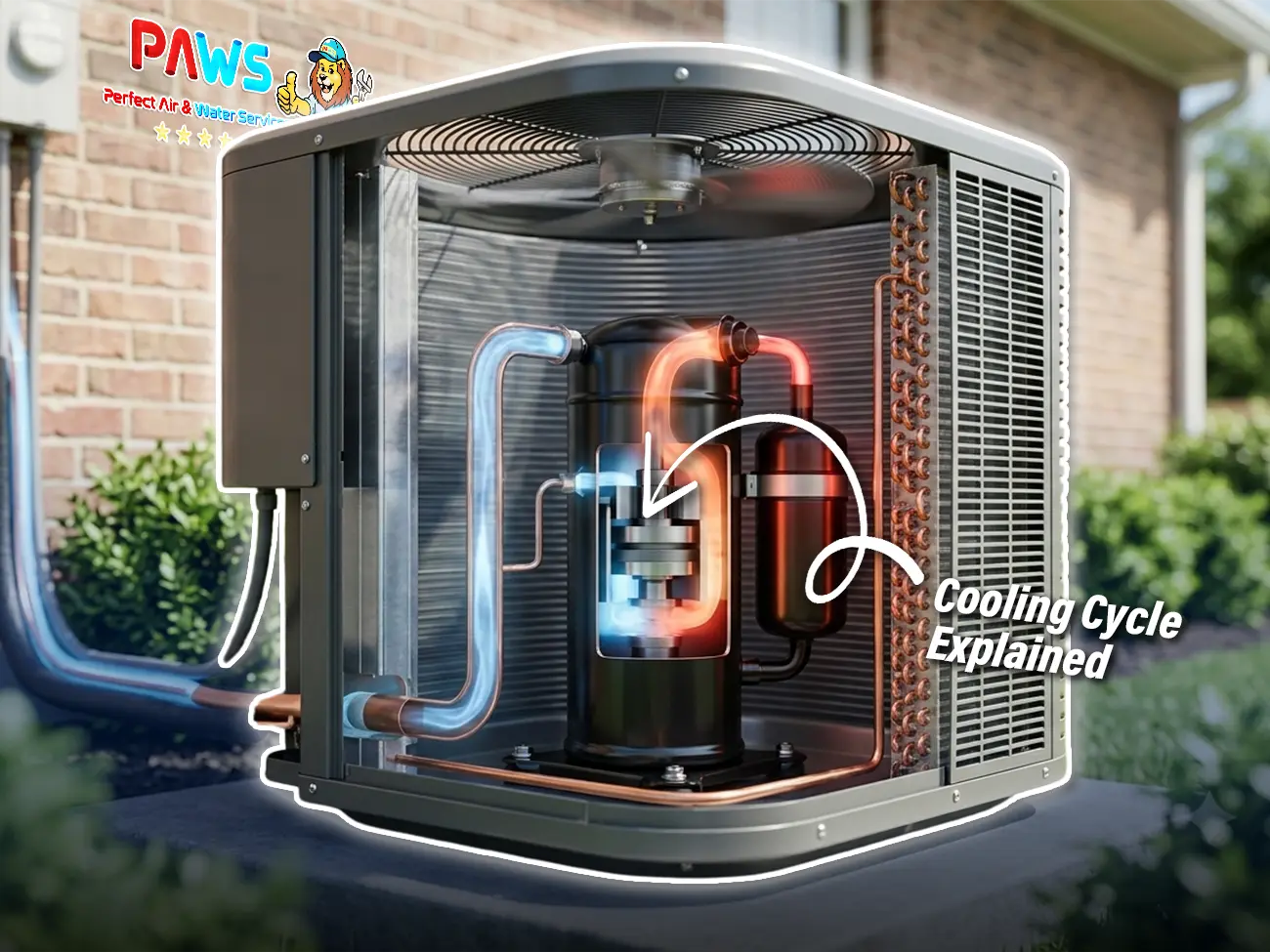
A heat wave occurs when high-pressure air hovers over a region, acting as a lid. This lid traps and compresses the hot air near the ground, preventing cool breezes and rain clouds from moving in. The trapped air gets hotter every day. By comparison, a malfunctioning AC blows warm air because it is unable to remove or manage the heat it has trapped! Yes, an AC system does not ‘create’ cool air — air conditioners remove hot air in a three-step cyclical process:
- Air conditioners remove hot air from a home when the indoor warm air passes over very cold pipes filled with a special liquid known as refrigerant, which absorbs the heat from the air and is pulled into the outdoor AC compressor unit, the heart of the AC system, which acts as a heat pump.
- The AC compressor sucks in the cold, low-pressure refrigerant from the house, packing it tightly together. The squeezing or compressing action heats the refrigerant to an extremely high temperature and pressurizes it.
- The AC compressor works in unison with the AC condenser. The compressed, heated refrigerant is pushed through pipes to the condenser, where a fan blows outside air over the condenser coils, cooling the gas and changing it to a high-pressure liquid, which is then returned to the house to absorb more heat — and the cycle continues in a properly functioning AC system.
When the outside air is extremely hot, and the air within the compressor and condenser is also hot, the high outdoor temperature stalls the AC condenser coils' ability to release heat, and the coil cannot function efficiently. Just as a high pressure heat wave prevents cool breezes and rain, the trapped heat inside the compressor unit brings high pressure to the refrigerant coolant lines, the condenser, fan motors, and capacitators; causing AC system to wear down or overheat — and rather than the AC system bringing cool air into the home by the refrigerant coolant in the condenser, the AC will start blowing warm air!
What Are The ABC’s Of AC Inefficiency?
The efficiency of air conditioning starts with a basic A-B-C check by a qualified HVAC technician:
- Air flow: dirty air filters can reduce airflow to the evaporator coils and condenser coils.
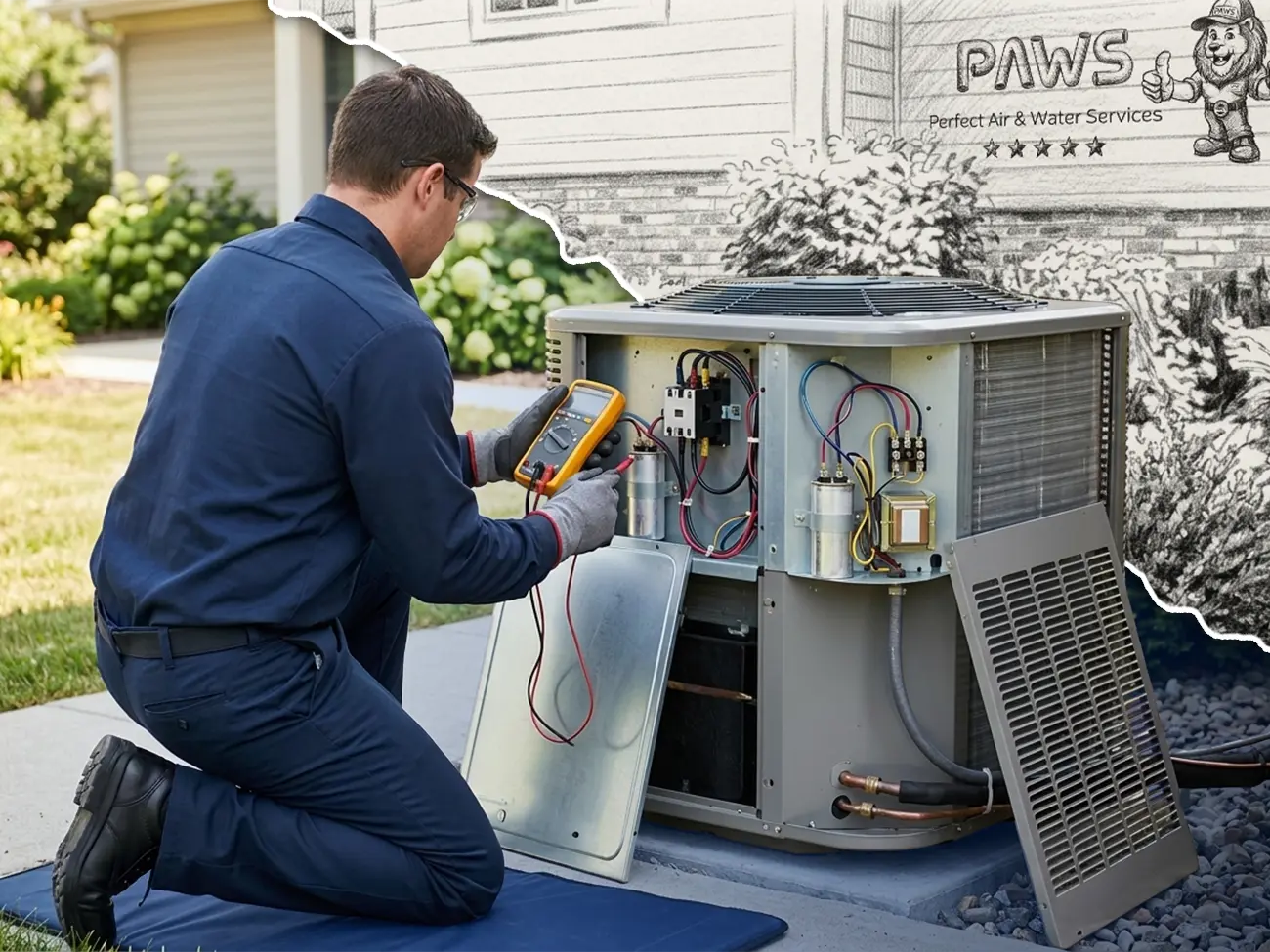
- Blower Fan: The blower fan is a critical AC component that blows cold air across coils and removes the heat of a house. The capacitor, is a high voltage device in the outside compressor is extremely crucial for providing a steady electrical voltage for the HVAC cooling system. Bad capacitors lead to blower fan failure. There are usually dual-run capacitors that control both the compressor and the motor for a blower fan. Near the capacitors is a contactor switch that controls the electrical connections. Failure of the contactor switch results in both electrical connections failing and the blower fan failing to remove heat from the home and cool the refrigerant in the outside condenser. Homeowners should NEVER touch the capacitor even if the AC is off — and why any AC unit malfunction requires the work of a trained and licensed HVAC technician!
- Compressor: The compressor (the outside unit in a central air conditioning system) is, as stated, the heart of the AC system. The compressor pumps the cold refrigerant from the house (cooled liquid gas) through coils; if the compressor fails or overheats, the refrigerant will not bring cool air back into the house. The indoor blower fan will only blow room-temperature air.
Further Factors Fueling AC Blowing Warm Air
The factors influencing how well AC parts and components perform in peak heat:
- Age and condition of the AC unit: home air conditioners or air conditioning compressors outside the house generally have a lifespan of 15 to 20 years. The older the AC, the less efficient it is. In extreme heat, the AC unit's core components fail or freeze. The capacitors become weak and cannot start heavy motors; the compressor unit's metal cabinet can become dangerously hot, cause old oil to break down, and burn out the motor inside the unit. Evaporator coils inside the home weaken; not enough air passes over them, and they freeze up. In older AC units that run constantly, extra water is produced, drip pans overflow, and the cooling system eventually shuts off – usually on the hottest day of a heat wave!
- Humidity levels: high humidity levels cause strain on older AC parts and components, as old parts lose their ability to remove moisture from the air. The extra moisture can cause the metal coils to freeze, stop airflow, and stop the cooling process.
- Inadequate insulation in attic and walls: Inadequate insulation allows outside HOT air to seep through gaps, causing the home to stay warm and the AC to run longer. Conversely, when home air is cooled, the cool air escapes quickly, so the thermostat never reaches its set temperature goal.
The above answers to why the AC is blowing warm air require understanding of the various parts and components of the air conditioner. The knowledge, understanding, and hands-on training of a licensed, qualified HVAC contractor in New Jersey involves both technical classroom training and many hours of field experience. The qualified HVAC technician in NJ must pass state exams to attain a Master HVACR Contractor License from the New Jersey State Board of Examiners of HVACR (Heating, Ventilation, Air Conditioning, and Refrigeration) to operate as an HVAC contractor company. Qualified HVAC contractors also come with NATE certification. (North American Technician Excellence) Contact Perfect Air & Water Services (PAWS), and let us make the summer living 'easy' again!
Perfect Air and Water Services (PAWS) appreciates the opportunity to assist all our NJ neighbors with our knowledge, experience, and skills to answer their HVAC and plumbing questions. We are even more pleased when our neighbors share their appreciation of our dedication to quality HVAC and plumbing services.